
The right platform is the one that can store your part numbers and give the data back. A high score for appearance does not answer that. Compare the candidates against the same seven questions, on your own rows, not on a demo catalog.
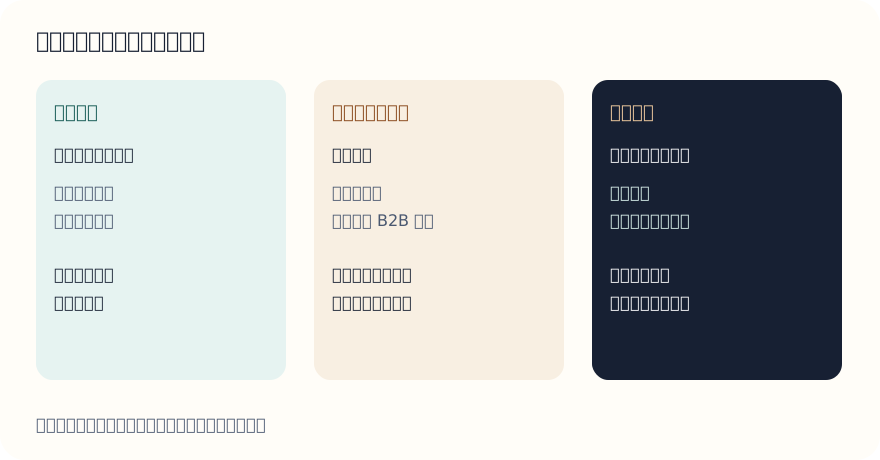
Fix seven questions before comparing
Ask how many parts you have, which parameter fields must be stored, whether buyers inquire or pay, whether prices differ by customer, which languages are real, whether you can export the data, and who will apply updates. Write the answers down before looking at product tours.
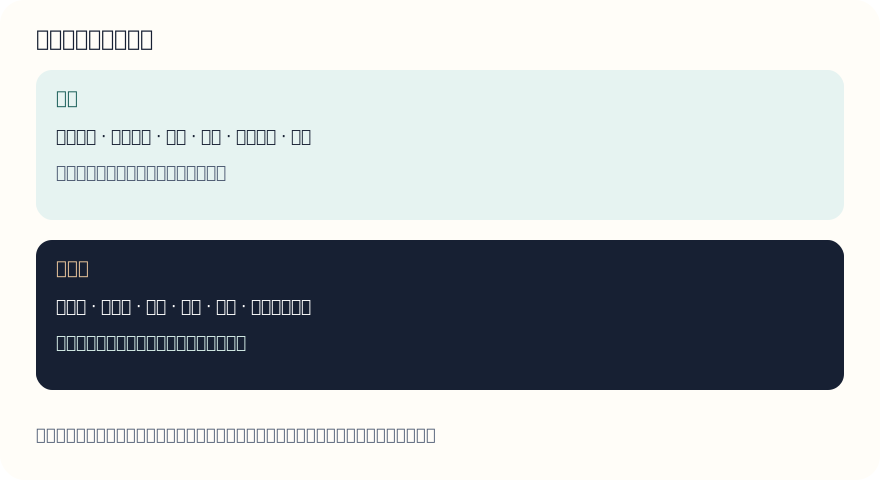
Ten approaches fit different sizes
A hosted shop can publish a short catalog and a simple inquiry. A heavier commerce system fits customer-specific prices and a large filtered catalog. A content system fits articles and a modest product list. None of them is the default for every component exporter. Test part numbers, price breaks, and an export file.
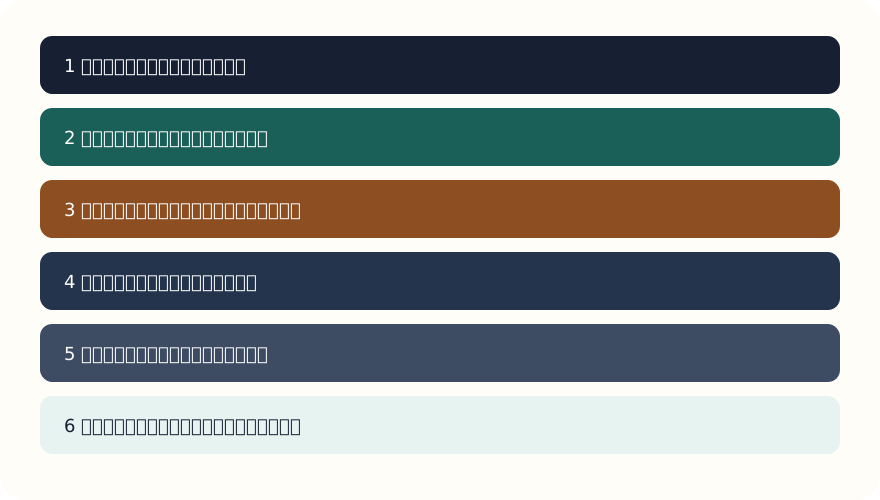
Run a two-hour field trial
Import a few dozen real parts, including one duplicate package and one missing parameter. Search them, open an inquiry, and export the rows. If that trial needs a developer for every column, the later catalog will too.
Write the trial as a table
Rows are the questions. Columns are the candidates. A cell is pass, fail, or not tested. An empty cell is not a pass. This table is the decision record, not a vendor’s comparison chart.
Ask about leaving before you ask about launch
The first year can look cheap. The costly moment is moving part records, customer prices, and inquiry history out. If that export is not in the trial, do not treat the platform as chosen.
Common questions
Does a high platform score mean it can hold a component catalog?
No. Check whether it stores part numbers, parameters, and price breaks, and whether you can export them when the contract ends.
Is open source automatically safer?
Open source means you can read and move the software. Patches, backups, and permissions still need a person. An unattended open-source site is riskier than a hosted service someone watches.
Where should a small trading company start?
Start with import and inquiry on one hundred to a few hundred real parts. Move to a heavier system when search, customer prices, and stock updates are weekly work.