
A self-run catalog earns its place when the end customer can find a part, see whether it can be supplied, and start an inquiry or an order. Another company introduction does not do that work.
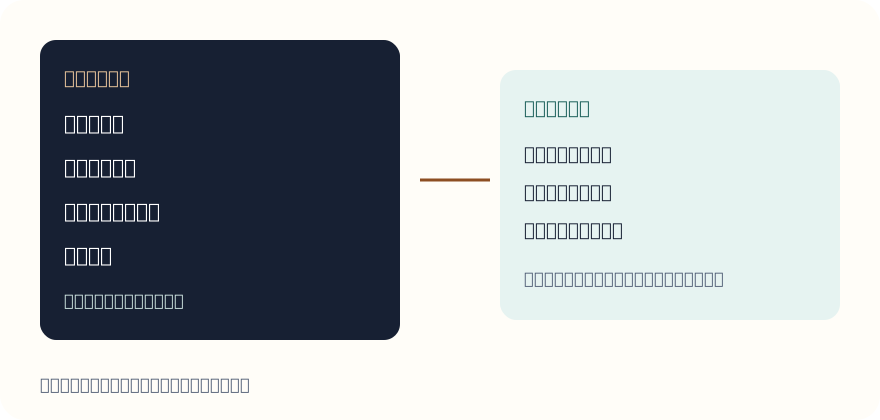
The catalog and the salesperson each own a step
The catalog holds the part number, the stock, and the inquiry. The salesperson confirms substitutes, lead time, and odd orders. They need the same fields, or each side keeps a private note.
These abilities have to connect
Batch stock, inquiry, purchase, datasheets, and the order list are one path. A datasheet that is not attached to the part, or an inquiry that does not name the part number, breaks the path even if each screen looks finished.
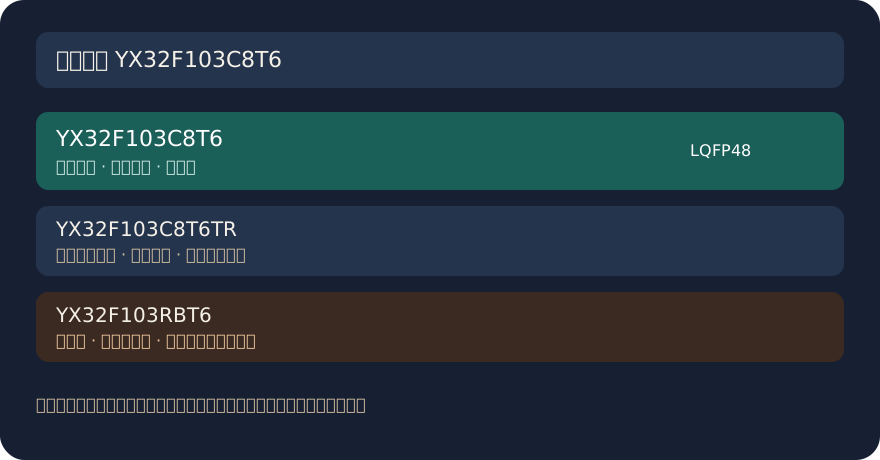
The home page helps people find parts
The first screen should say which families you sell and offer search. Brand photography can wait. A buyer who cannot see where to type a part number will leave.
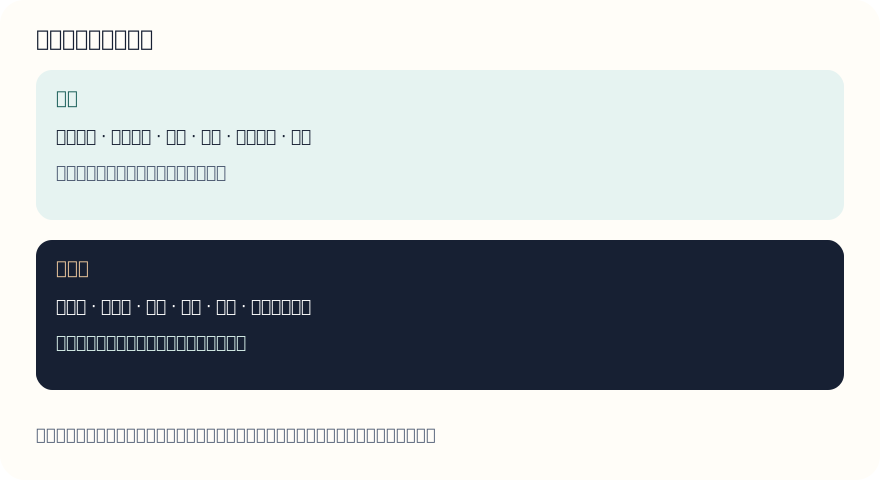
The work after launch is larger than launch day
New parts, retired parts, price files, and unanswered inquiries continue. The person who updates the catalog should not need a developer for a column change or a datasheet upload.
Common questions
If there is a catalog, does a salesperson still follow the order?
Yes. The catalog receives the part, the stock, and the inquiry. The salesperson confirms substitutes, lead time, and exceptions.
What fails most often in a batch upload?
The same column means different things in different files, such as pack quantity written as stock. Fix the column names and show the bad rows before import.
Why put PDF datasheets in the catalog?
Engineers check parameters in the datasheet. Attach it to the part and show the version or date, so the download is not an old specification.