
An independent site is yours to the extent you can change the catalog, keep the customer record, and move the data. It is not automatically cheaper than a marketplace, and being indexed is a start, not a finished result.
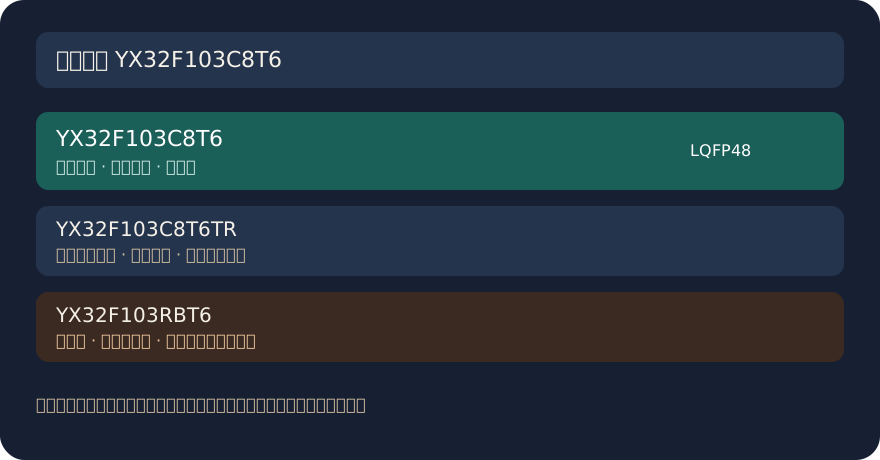
What control actually means
You choose the fields, the inquiry, and what the pages claim. Customer records stay with you if you can export them. Payment and shipping are yours only when you operate those rules. A logo on a rented page is a smaller kind of control.
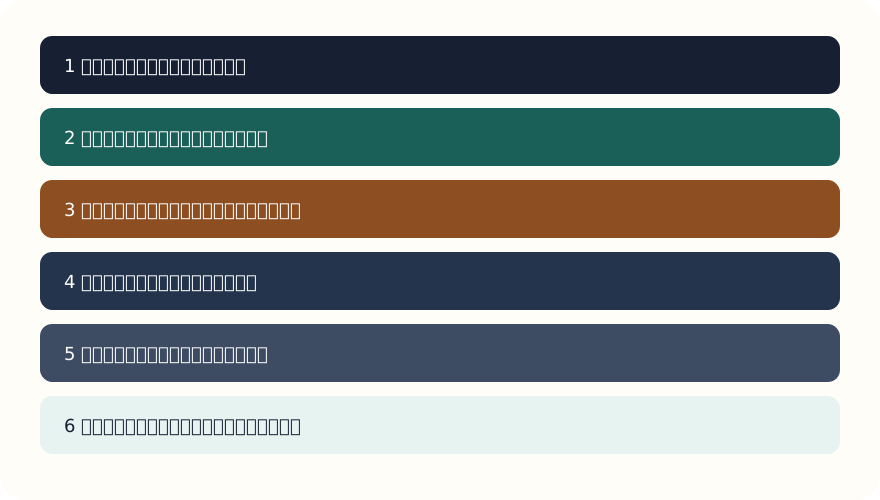
Steps to open
Fix the part fields, the domain, the software, the certificate, a trial import, and a review of search plus inquiry. Announce the site after that review, not when the theme is installed.
Data, titles, and inquiries are daily work
Someone updates stock and retired parts, writes titles that match the page, and answers inquiries. Search setup is those habits plus internal links and a sitemap. It is not a promise of traffic.
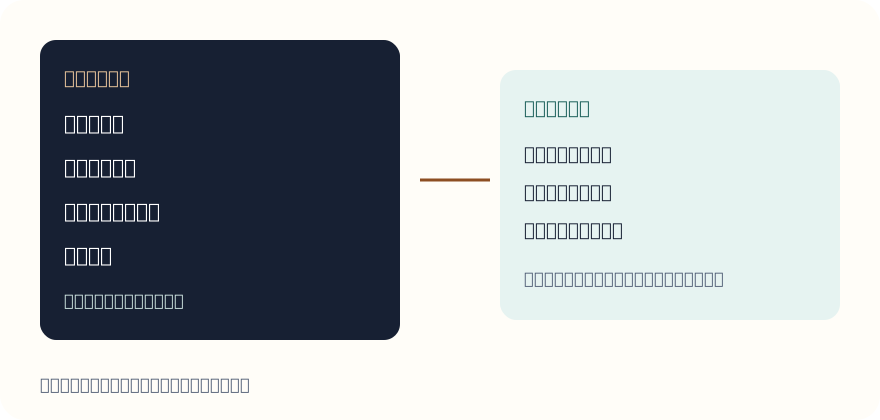
Read the budget as line items
Separate the domain, host and certificate, design and development, translation, part-data cleanup, ordinary content, and a test of promotion. Do not hide promotion inside the build fee, and do not treat a single total as the whole cost.
Common questions
Is an independent site always cheaper than a marketplace?
No. Marketplace fees become host, content, translation, and promotion time. What you gain is control of the rules, not an automatic saving.
Which budget lines are required?
Domain, host and certificate, design and build, translation, organizing part data, ordinary content, and a separate test of promotion. Do not fold the promotion test into the build fee.
Can a page drop out after it has been indexed?
Yes. Retired parts, content that never changes, and addresses that move without a redirect can remove the visits you had. Indexing is a start, not the end.